On this page
- Quick Recap
- What Ad Testing Means for an Ecommerce Store
- What to Test First, From Angle to Hook to Format
- How to Set Up a Clean Ad Test
- How to Read a Video Ad Test, From First Frame to Purchase
- How Many Creatives a Testing Rhythm Needs
- Ad Testing Tools for Each Job
- How to Make Enough Creatives to Test Every Week
- Final Thoughts
- FAQs
Quick Recap
- Live ad testing on Meta or TikTok tells an ecommerce store more than a survey panel, because it measures what real buyers do with real money.
- The angle comes first for a new product, because the reason to buy moves results more than any hook, format or line of copy.
- A clean test changes one thing, sets the winning rule before launch, and gives each ad about one target CPA of spend before anyone judges it.
- Reading a video test works from the top of the funnel down: hook rate, hold rate, CTR, then cost per purchase, and each pattern points to a different next test.
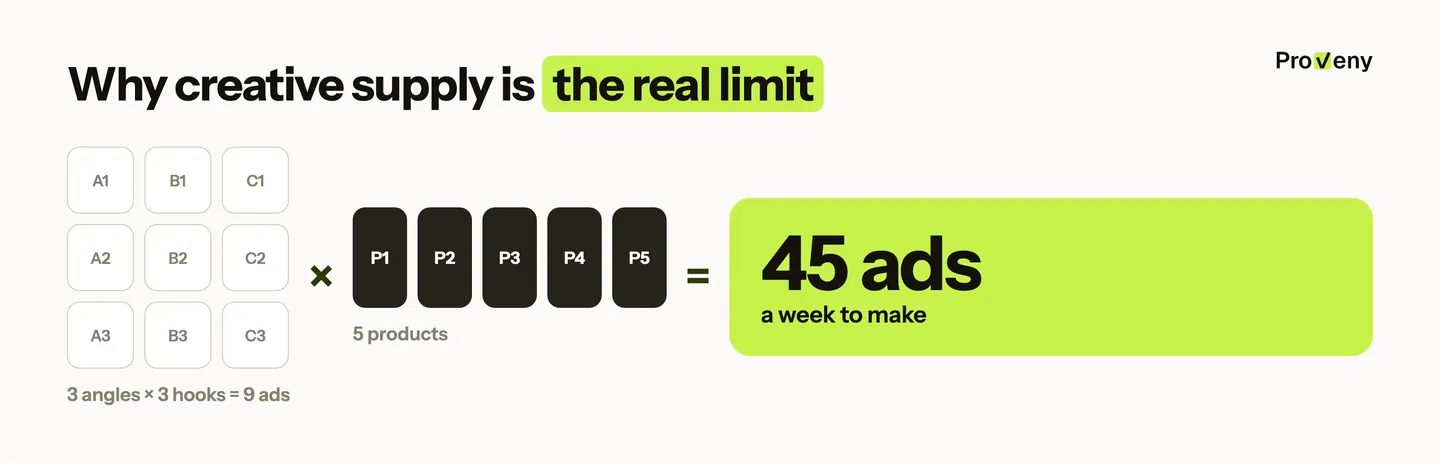
- Creative supply is the real limit, since a 9-ad test for each of 5 products is 45 new ads a week.
What Ad Testing Means for an Ecommerce Store
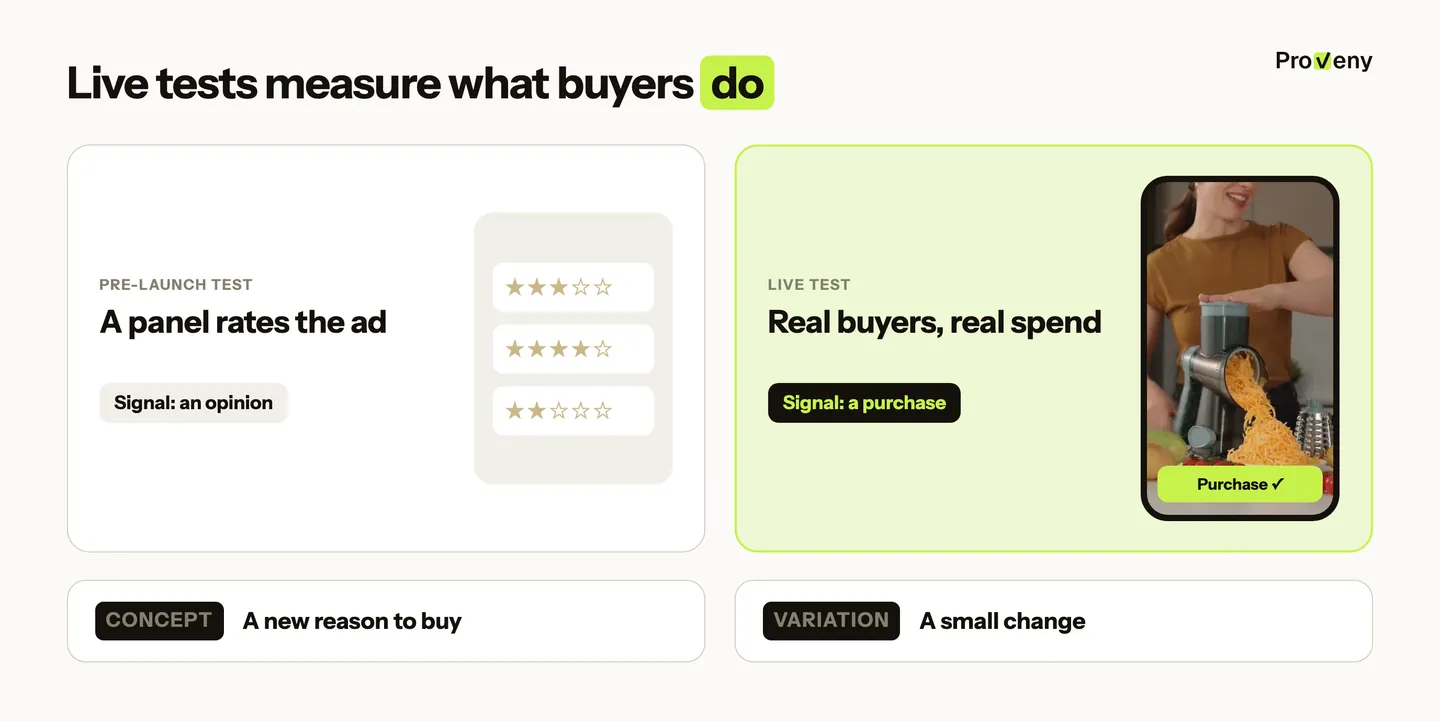
Ad testing covers two different jobs. Pre-launch testing asks a panel to rate or react to an ad before it runs, with surveys, focus groups or attention tools. Live testing runs several ads with real spend and lets results pick the winner.
Pre-launch tests make sense for a brand about to spend heavily on one TV spot. A store testing products with short video ads is in a different position: the platforms already split traffic for you, and a panel's opinion is a weaker signal than a purchase. The rest of this article is about live testing.
Two words keep live tests honest:
- Concept: a new reason to buy, such as a different angle, story or format.
- Variation: the same concept with a small change, such as a new first line, a new thumbnail or a new call to action.
Concepts find what sells, and variations make a winner last longer.
What to Test First, From Angle to Hook to Format
Not every change moves results by the same amount. The order below runs from the change that usually matters most to the one that usually matters least, and it's a rough guide, not a law:
| What you test | Example | Typical effect | |
|---|---|---|---|
| 1 | Angle | "Saves time" vs "Safer for kids" | Largest |
| 2 | Hook (first 3 seconds) | Problem first vs result first | Large |
| 3 | Format | Selfie review vs voice-over demo vs commercial | Medium to large |
| 4 | Length | 15 seconds vs 30 seconds | Medium |
| 5 | Copy and CTA | Primary text, headline, button | Small to medium |
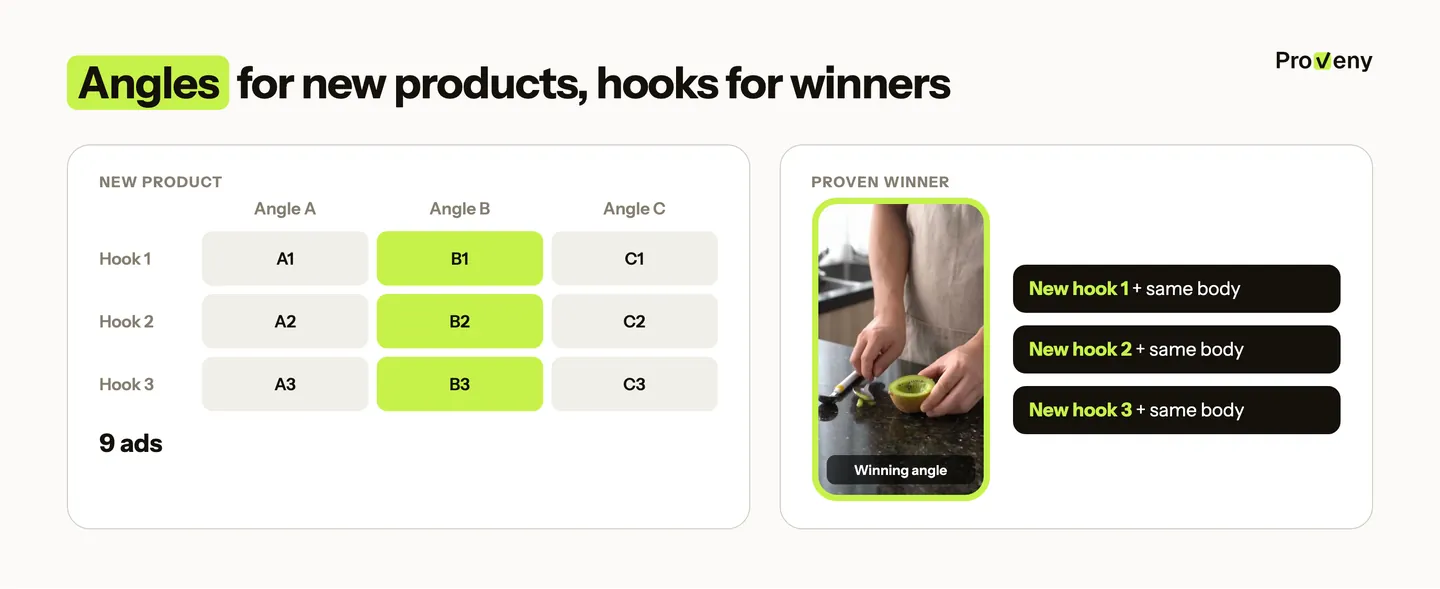
The angle leads because it decides who stops and why. A perfect hook on the wrong reason to buy still sells to nobody.
Many guides put the hook first, and for a proven product they're right. Once an angle has won, the hook is the cheapest thing to change and the first part of a video to wear out. The difference is the stage: angles for a new product, hooks for a known winner.
A simple first plan for a new product is 3 angles × 3 hooks, or 9 ads. The angle results come in first, then more hooks go on the best angle.
How to Set Up a Clean Ad Test
A test only helps if its result means one thing. Three decisions make that happen: the rule, the variable and the structure, followed by enough spend to judge.
Write the Winning Rule Before Launch
"Winner" needs a definition before money moves, for example: "the ad with the lowest cost per purchase after each ad has spent at least the target CPA." A rule written after the results tends to bend toward the ad you hoped would win.

Drama, UGC or demo ads. Any concept, any product.
Every ad shows your product working accurately.
Change One Thing
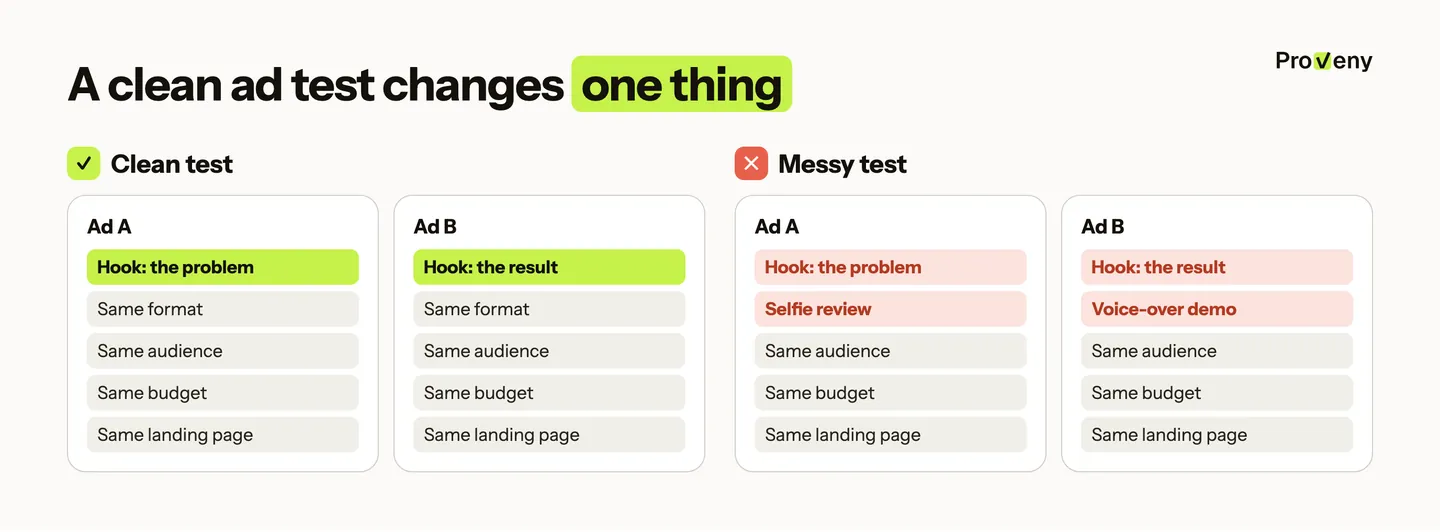
If ad A has a new hook and a new format, you won't know which change worked. Everything else stays the same: audience, budget, placement and landing page. Meta's A/B testing guidance makes the same point, and it locks the tested variable once a test is running.
Choose a Test Structure
Each structure trades speed against a clean answer:
| When it fits | How it works | |
|---|---|---|
| New ads in your main campaign | New concepts, fast reads | The system shows them to the people your campaign already reaches, so it's close to real life but favors the ad it already likes |
| Meta A/B test | One clear variable and a clean answer | Meta splits the audience so the groups don't overlap and reports which version won |
| TikTok Split Test | The same need on TikTok | TikTok splits the audience into two equal groups, each seeing only one ad group, and reports a result at 90% confidence |
| Separate test campaign | Every new ad needs a fair share of spend | A set budget per ad set, so the old winner can't take all the money |
Give Each Ad Enough Spend and Time
The minimums below keep noise from passing for a result:
- About one target CPA per ad: less spend than that is too little to judge a purchase result.
- At least 3 to 7 days: a full week covers weekdays and weekends, which often behave differently.
- About 50 results a week: Meta says an ad set with fewer than about 50 optimization events in the week after its last significant edit is "learning limited". Small budgets won't reach that, so early signals such as hook rate and CTR carry the first read, and purchases confirm it later.
How to Read a Video Ad Test, From First Frame to Purchase
Cost per purchase tells you which ad won. It doesn't tell you why the others lost, and the "why" is what shapes the next test. A video ad gives you four numbers in the order a viewer meets them:
- Hook rate (3-second views ÷ impressions): did the opening stop the scroll?
- Hold rate (people who watched most of the video ÷ 3-second views): did the story keep them?
- CTR did they want to know more?
- Cost per purchase or ROAS did it sell?
Reading them in that order turns a losing ad into a diagnosis. Each pattern points to a different part of the ad:
| What it means | Next test | |
|---|---|---|
| Low hook rate | The first 3 seconds don't stop the scroll | New hooks on the same body |
| High hook rate, low hold rate | The opening works, the middle loses people | A tighter middle that shows the product working sooner |
| Good hold, low CTR | People watch but don't feel the need to click | A new angle or a clearer reason to act at the end |
| Good CTR, high cost per purchase | The ad sells the click, the page or the offer doesn't close | The landing page, price or offer, not the creative |
| No clear winner | The ads were too similar | A bigger difference: a new angle, not a new word |
A low hook rate is the cheapest problem to fix, and our guide to TikTok hooks has openers worth testing. The fourth row matters just as much, because it stops you from killing a good ad for a problem on the product page.
How Many Creatives a Testing Rhythm Needs
Testing at scale isn't about bigger budgets. It's about a steady weekly rhythm:
- New concepts every week: fresh angles for your top products, with clear losers switched off.
- Tests around the winner: new hooks on its body, and the same angle in a new format.
- A log of every test: angle, hook, format and result, so after a few weeks you know what your buyers react to.
- An eye on fatigue: even a winner slows down. Our guide to ad fatigue covers the signs and the fixes.
The math is where most teams stall. A 9-ad test for each of 5 products is 45 new ads a week, and filming that many is out of reach for most stores.
Ad Testing Tools for Each Job
No single ad testing tool covers the whole loop. Each job has its own tools:
| Tools | Note | |
|---|---|---|
| Split and deliver the test | Meta Ads Manager (A/B test), TikTok Ads Manager (Split Test) | Built into the platforms and free to use |
| Read results by creative | Ads Manager breakdowns, creative analytics tools such as Motion | See ad creative analysis tools |
| Attribute sales across channels | Triple Whale, Northbeam | For stores that spend on several channels |
| Make the creatives to test | Filming, creators, AI ad tools | The step that limits how much you can test |
How to Make Enough Creatives to Test Every Week
A good test plan needs several real concepts per product, then quick variations on the winner. Filming that takes stock, a creator and editing time, and many AI tools start from one product photo, so the product can freeze or change shape between versions and the test measures the glitch, not the angle.
That's the problem we built Proveny to solve. Proveny is an AI ad generator for product video ads: it reads your product link or photos, works out how the product is used, and makes 15-second to 10-minute ads that show it working.
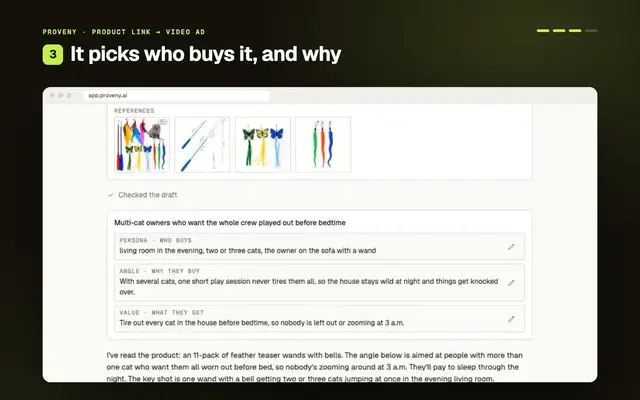
You approve the angle and the script before anything renders, so every ad in a test is one you chose on purpose.
Two features match the test plan above:
- Several angles and formats from one link: the chat writes three different selling angles for each product, each built around the product's key action, and you can make one angle as a selfie review, a banter or a voice-over ad for a format test.
- Reshoot one segment: when a single shot is off, or you want a new opening on a winner, the video editor remakes only that part, so the rest of the ad stays the same and the test still changes one thing.

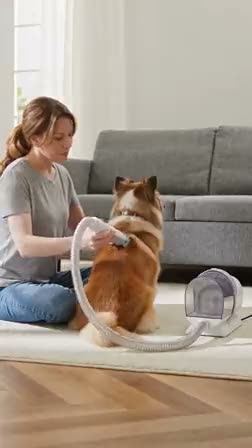
Drama, UGC or demo ads. Any concept, any product.
Every ad shows your product working accurately.
Final Thoughts
For an ecommerce store, ad testing means live tests with real spend, and the first job is to find the reason to buy before polishing the details.
So the angle gets tested before the hook, and the hook before the format. Each test changes only one of them, with the rule for a winner and the spend per ad agreed before launch, over at least a few days.
Reading a video test from hook rate down to cost per purchase shows where an ad loses people, and each pattern names the next test. Kept up every week, that rhythm needs far more creatives than most teams can film.
The tests themselves are simple. The hard part is never running out of new ads to put into them.
 HC
Written by
Founder of Proveny & TrueProfit
Harry Chu has spent 11 years in eCommerce doing the work behind the growth: running ads, testing creatives, reading the numbers, and scaling his own Shopify stores to 7 figures. He knows a good-looking ad account doesn’t mean much if the store isn’t growing.
Harry is the founder of Proveny and TrueProfit. On the Proveny blog, he shares what he’s learned from building and scaling his own stores: what to test, what the results actually mean, and when it’s time to stop spending on an idea that isn’t working.
No magic formula. No advice from the sidelines. Just practical lessons from someone who has had to make the numbers work in his own business.
More lessons from Harry